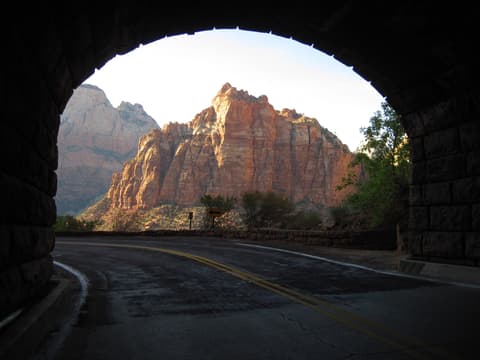
Zion National Park, located in southwestern Utah, is a haven for outdoor enthusiasts and nature lovers. With its towering red cliffs, green valleys, and stunning rock formations, it is no wonder that Zion is among the most visited national parks in the United States. If you're planning a trip to this breathtaking destination, you might be wondering when the best time to visit is. To help you make the most of your Zion adventure, we've broken down the different seasons and their pros and cons to help you decide when to go.
Spring (March-May)
Spring is considered one of the best times to visit Zion National Park. The weather is pleasant, with daytime temperatures ranging from 60 to 80 degrees Fahrenheit. Additionally, the park's vegetation begins to awaken, painting the landscape with vibrant shades of green. The Virgin River, which flows through the park, generally has higher water levels due to snowmelt. As a result, this makes it an ideal time for hiking The Narrows, one of Zion's most famous trails.
Pros:
Comfortable temperatures for hiking and outdoor activities
Lush vegetation and blooming wildflowers
Waterfalls and streams at their most scenic
Ideal conditions for hiking The Narrows
Cons:
Snow or muddy conditions may close some trails
Higher water levels may require extra caution on river hikes
Spring break crowds may increase wait times for shuttles and parking
Summer (June-August)
Summer is the most popular time to visit Zion National Park. With schools on break and long, sunny days, the park sees its highest visitor numbers during these months. However, temperatures can soar above 100 degrees Fahrenheit in the daytime. Therefore, it's essential to plan accordingly and stay hydrated.
Pros:
Long days with plenty of sunlight for exploring
All trails and facilities are typically open
Ranger-led programs are at their peak
Cons:
Extreme heat may limit outdoor activities, especially during midday
Large crowds and limited parking
Increased risk of flash floods, particularly in slot canyons
Autumn (September-November)
Autumn is another excellent time to visit Zion National Park. With temperatures cooling down from the summer highs, the park offers comfortable conditions for outdoor exploration. Furthermore, the fall foliage, particularly in the higher elevations, adds a burst of color to the landscape. Crowds begin to dwindle in late September. Consequently, this makes it an ideal time for those looking for a more peaceful experience.
Pros:
Mild temperatures perfect for hiking and outdoor activities
Beautiful fall foliage, especially in higher elevations
Fewer crowds after the summer rush
Cons:
Some facilities and ranger programs may begin to close or reduce hours in late fall
Shorter daylight hours
Cooler temperatures may require additional layers for early mornings and evenings
Winter (December-February)
Winter in Zion National Park is the least crowded season. It offers a serene, snow-dusted landscape for those willing to brave the cold. Daytime temperatures can range from 30 to 50 degrees Fahrenheit. Meanwhile, nighttime lows often dip below freezing. While snow or ice may close some trails, others remain accessible for those equipped with proper gear, such as microspikes or snowshoes.
Pros:
Minimal crowds for a peaceful, tranquil experience
Snow-capped peaks and unique winter scenery
Wildlife may be more visible, including deer, bighorn sheep, and wintering birds
Cons:
Cold temperatures and potential for snow or ice on trails
Some trails, facilities, and ranger programs may be closed or limited
Shorter daylight hours
Making Your Decision
The best time to visit Zion National Park ultimately depends on your personal preferences and interests. Each season offers its unique beauty, advantages, and challenges. If you're looking for mild temperatures, fewer crowds, and optimal hiking conditions, spring (March-May) and autumn (September-November) are your best bets. Both seasons provide a balance of pleasant weather, stunning scenery, and generally accessible trails. Keep in mind, though, that some facilities or trails may be closed or have limited availability during these shoulder seasons.
For those who prefer long days, full access to park facilities, and don't mind the heat or crowds, summer (June-August) could be the right choice. Just be prepared for high temperatures, large crowds, and potential flash flood risks. Additionally, plan your activities in the early morning or late afternoon to avoid the most intense heat.
Winter (December-February) is perfect for visitors seeking solitude and a unique perspective on Zion's natural beauty. If you're willing to bundle up and navigate potentially snowy or icy trails, you'll receive a serene experience and picturesque snow-dusted landscapes as your reward. Just be aware that some trails, facilities, and ranger programs may be closed or limited during this season.
Final Tips
Regardless of when you choose to visit Zion National Park, remember to plan ahead, respect the park's rules and regulations, and practice Leave No Trace principles to preserve its beauty for generations to come. With its stunning landscapes, diverse flora and fauna, and numerous opportunities for adventure, Zion National Park promises a memorable experience no matter the season.