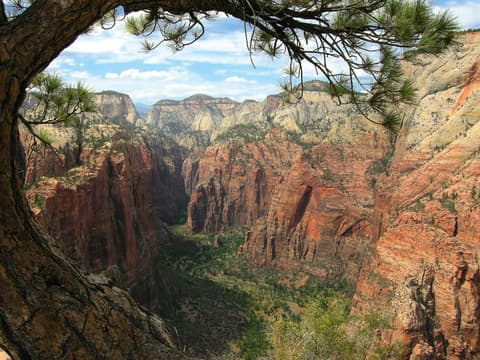
You know the version of Zion everybody talks about. Packed shuttles. Full parking lots. That creeping feeling that the day is slipping away before you have done anything interesting. Then you show up in February and realize the place feels less wound up.
That is why a trip to Zion in February works so well for a certain kind of traveler. The park is open year-round, and in the 2026 shuttle schedule, the canyon shuttle is not running from January 4 through March 6. For many February trips, that means you can usually drive Zion Canyon Scenic Drive yourself instead of building the whole day around shuttle timing. For first-timers, that alone can make the park feel easier to understand.
The catch is that February is not a loophole. The National Park Service says Zion can still be very busy from early February through late November, and parking often fills by early or mid-morning. So yes, the month is easier. It still rewards an early start.
Why February feels simpler than the rest of the year
The biggest advantage is smaller crowds plus fewer moving parts. When the shuttle is off, many visitors can drive into the canyon, stop where it makes sense, and change plans as they go. A lot of Zion stress is logistical stress, and February removes some of it before the hike even starts.
That is what keeps February in the conversation about the best time to visit Zion. Not for everyone, obviously. If your ideal park trip means warm evenings and long daylight, you have other seasons. But if you care about parking odds, easier canyon access, and a day that does not begin with shuttle math, February makes a very strong case.
It also gives the park more breathing room. Weekdays are usually calmer than weekends, and the park notes that December and January tend to be less busy except around holidays. February sits just beyond that quieter stretch, which is part of why it can feel like a sweet spot instead of a full winter shutdown. Holiday weekends are the obvious exception, and they can get busy fast, which is Zion's way of reminding you not to get cocky.
What can still surprise you in Zion in winter
This is where people get overconfident. They see an afternoon high in the 50s, the road is open, and the canyon looks calm. Then they pack like it is April. Zion in winter is milder than many Utah parks, but the park still describes winter as cold and often wet.
Daytime highs often reach 50 to 60 degrees. Nights can drop well below freezing. Nearly half of Zion Canyon's yearly precipitation falls between December and March. That matters because trail conditions do not care how nice the parking lot felt.
Shaded sections can hold ice long after the sun warms everything else, and the park recommends traction devices for boots to reduce slipping. If your plan includes elevation, early shade, or slick rock, winter hiking in Zion usually goes better when you pack for the trail you might get, not the forecast screenshot you liked. (The shady switchback has other ideas.)
The Narrows is another place where February asks for realism. The river stays cold, and NPS guidance says a wetsuit or dry suit setup may be necessary in winter. Water temperatures are much lower than the air, very little sunlight reaches the canyon floor, and hypothermia is one of the real risks of cold-water hiking. If the Narrows is a main reason for the trip, check conditions right before you go and keep a backup plan in your pocket.
The same honesty applies to Angels Landing. February does not change the permit system, and it does not make slick sandstone any friendlier. The park states that you need a permit past Scout Lookout, and it warns hikers not to continue if the ground is wet or icy. That is a good summary of the whole month. Zion can feel easier in February, but it still expects judgment.
There is also the daylight issue. People forget this one until they feel it. Shorter days make sloppy planning more expensive. You can still do a lot in February, but you have less room for a late start, a long lunch, and a second ambitious hike.
How to build a February basecamp that actually helps
For most visitors, the smartest February plan is the simplest one. Stay close to the south entrance. Keep your morning easy. Give yourself options if weather or trail conditions change. Springdale is the obvious base for that because it keeps the park, meals, and your reset button in the same small orbit.
That setup works especially well in February because convenience compounds. If you can get into the park early, drive the canyon while shuttle service is off, and get back to town without a long unwind, the trip feels lighter. Browse your lodging options with that logic in mind. The best February basecamp is not the most ambitious one. It is the one that makes cold mornings and shorter days easier to manage.
It also helps to think in terms of one anchor plan and one backup plan. Maybe the anchor is a longer hike if trails are dry enough. Maybe the backup is a scenic drive, a shorter walk, and a late lunch that does not feel like a consolation prize. February is one of the better times to let Zion be enough without trying to squeeze every headline trail into the same day.
Food matters more in winter than people admit. Colder evenings and earlier finishes change the rhythm of the trip. You are more likely to be done hiking sooner, and actually want a simple dinner plan instead of wandering around hungry and making bad group decisions. Review your dining options before you arrive and give yourself two or three solid options. It is not glamorous advice, but neither is standing on the sidewalk at 6:15 p.m. acting like nobody has ever visited a restaurant before.
Families and first-timers often do especially well this time of year. Cooler temperatures help. Driving access is simpler when the shuttle is not running. The canyon can feel more manageable. You still need layers, traction if conditions call for it, and enough humility to adjust, but the trip is often easier to control than it is in peak season.
The month works because it is quieter, not because it is easy
People enjoy Zion in February because the usual friction drops just enough to make the experience feel more usable. Better parking odds, simpler canyon access, and a little more breathing room go a long way.
The trade is that winter still gets a vote. Ice, cold water, shorter days, and occasional road or trail disruptions are all part of the bargain, and the park's current conditions page is worth checking before every February trip. If that sounds reasonable instead of annoying, this may be your month.
Browse Lodging and Dining here on Zion Travel to map a simple February basecamp before you go. Keep the structure light. Start earlier than you think you need to. Let the month do what it does best, which is make Zion feel a little less chaotic without pretending it has gone soft.