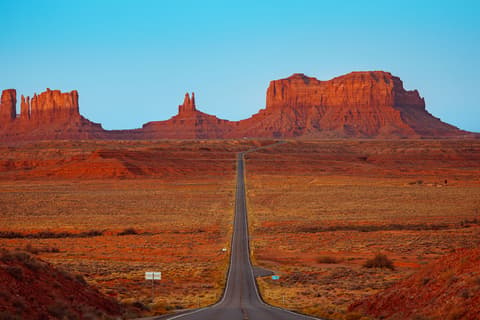
Most visitors to Zion never leave the main canyon. They park at the visitor center, ride the shuttle up Zion Canyon Scenic Drive, and go home having seen a fraction of the park. Kolob Canyons sits in the park's northwest corner, and it runs on a completely different rhythm. There is no shuttle, no reservation, and no crowd competing for the same three viewpoints. Drivers set their own pace here.
Where Kolob Canyons Is and What the Drive Delivers
Kolob Canyons occupies the far northwest section of Zion National Park. Access is from Exit 40 on Interstate 15. The area sits about 40 miles north of the main Zion Canyon entrance and 17 miles south of Cedar City. Visitors coming from the St. George or Springdale side reach it by driving north on the interstate. They never touch the main canyon, the shuttle system, or the Zion-Mount Carmel Tunnel.
Every visit starts at the Kolob Canyons Visitor Center. It is open daily, and a park entrance fee or interagency pass covers admission. The same Zion entrance fee applies here, and there is no separate charge for this section of the park. From the visitor center, a five-mile scenic drive climbs into a series of narrow, parallel box canyons cut into red and orange Navajo sandstone.
Cliff walls rise roughly 2,000 feet above the road. Pullouts along the way let drivers stop as often as they want. Every pullout frames a different angle on the same cliff system. The road climbs enough elevation to change the light and color between the entrance and the final overlook. That shift is part of why the short drive alone satisfies many visitors, without a single step on a trail.
Two Trails Cover Most of What Visitors Come For
Beyond the drive itself, Kolob Canyons offers real trail options at very different commitment levels. The district holds more than 20 miles of trail in total, but two specific routes account for most visitor traffic.
- Timber Creek Overlook Trail runs 0.6 miles one way with minimal elevation gain. It ends at a viewpoint over Shuntavi Butte, Timber Creek, Kolob Terrace, and the Pine Valley Mountains. Most visitors finish the round trip in under an hour, and the gentle grade works for nearly any fitness level.
- La Verkin Creek Trail to Kolob Arch runs roughly 14 miles round trip. It reaches Kolob Arch, which the National Park Service describes as one of the largest free-standing arches in the world. This is a full-day commitment, best suited to experienced hikers with an early start and a full water supply.
Several shorter spurs and viewpoints sit along the road between those two extremes. A stop at any of them rewards the short walk without requiring a dedicated hike. That range of options is why Kolob Canyons works as either a two-hour detour or a full day's destination, depending on the schedule.
The National Park Service designates the whole district as wilderness. Canyon streams and cascading falls run through several of the side canyons beyond the main trail corridors. Those features do not exist in quite the same form along the main Zion Canyon floor. That wilderness designation matters for the experience, not just the paperwork. Combined with the lack of a shuttle system, it explains much of why Kolob Canyons feels so different from the park most visitors picture. It is Zion, but on a smaller, quieter scale.
There is no camping or lodging directly at the Kolob Canyons Visitor Center. Day visitors headquarter in Cedar City, St. George, or Springdale and drive in for the day. Overnight options exist only through the backcountry permit system described above, or by staying in one of those gateway towns and returning the next day.
Visitors who want to turn the Kolob Arch hike into an overnight trip have that option. The National Park Service maintains 13 numbered backcountry campsites along La Verkin Creek. Some sites are first-come, first-served, and others can be reserved online in advance. Every site still requires an in-person wilderness permit from the Kolob Canyons Wilderness Desk, picked up the day of or the day before the trip. Group size limits at individual sites range from 2 to 12 people. The trail is best hiked in spring, summer, or fall, since snow can linger into early spring at this elevation.
Planning a Half-Day or Full-Day Visit
A half-day visit fits comfortably into a larger Zion trip. Driving up from Springdale, touring the scenic drive, and walking Timber Creek Overlook takes most visitors two to three hours. That figure does not include drive time to and from the main canyon area. Traffic through the I-15 corridor can add close to an hour each way.
A full day built around Kolob Arch requires real planning. The distance and elevation change mean an early start makes a meaningful difference in comfort and daylight margin. Visitors without a full day available still get a legitimate Kolob Canyons experience from the drive and the shorter trails alone. Neither option requires a shuttle reservation or a timed entry ticket.
Kolob Canyons Road can close during winter due to snow or ice. Walking the road during active plowing is not permitted. Anyone planning a winter or early spring visit should confirm current road status with the visitor center before driving up. A single storm can change conditions with little warning. Outside of winter, the district runs on its own schedule, entirely separate from the main canyon's shuttle season. Early mornings remain the best window to beat both the summer heat and the sun angle that washes out the cliff colors by midday.
For visitors who have already covered the main canyon's famous trails, Kolob Canyons offers a genuinely different section of the park. The crowd pressure that shapes a typical Zion Canyon day simply does not apply here.
Fitting Kolob Canyons Into a Larger Trip
Because Kolob Canyons sits right off I-15, it works naturally into a broader Southern Utah itinerary rather than as a standalone destination. Visitors continuing north from Zion toward Cedar City or Bryce Canyon pass within a few minutes of the exit regardless. Building in the detour costs little extra driving time compared to skipping it entirely.
The lack of a reservation system also makes Kolob Canyons a useful backup plan. A permit for a popular Zion Canyon trail might not come through. The main canyon shuttle lines might also run unusually long on a given morning. In either case, Kolob Canyons offers a real alternative rather than a wasted morning. Nothing about the district depends on timing that has to be locked in weeks ahead of the trip.
Visitors budgeting a Southern Utah trip around multiple parks often underestimate a short, well-placed detour like this one. The value it adds rarely matches its actual cost in time. A two to three hour stop at Kolob Canyons does not require rearranging a whole itinerary. It fits into a driving day that was already happening, between two points a visitor was already planning to connect.
Springdale itself sits close enough to Kolob Canyons that a same-day round trip from a Zion Canyon base works without an overnight change of plans. Visitors staying near the main canyon entrance can treat Kolob Canyons as an add-on day rather than a separate trip requiring its own lodging arrangement. Given the roughly hour-plus drive each way from Springdale, most visitors pair the detour with an early departure. That leaves the rest of the day open for a shorter trail closer to their lodging once they head back to the main canyon area.
The visitor center is the only facility in the district. Arriving with a full water supply and a tank of gas matters more here than it does closer to the main canyon. Services there sit a short walk from nearly every trailhead. That is not the case at Kolob Canyons. Kolob Canyons rewards visitors who plan the logistics ahead of time, rather than assuming Springdale-level convenience follows them north.