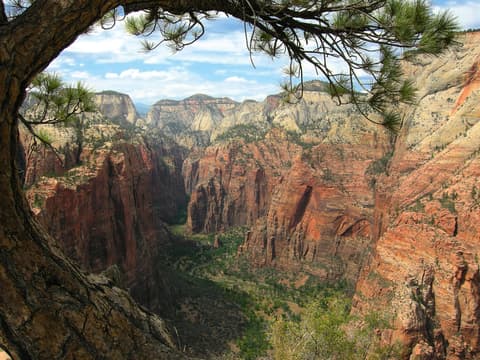
December in Zion splits into three distinct access windows, and most visitors never realize the middle one exists. The fall shuttle stops running on November 28. Private vehicles then get the canyon to themselves from November 29 through December 25. A separate holiday shuttle takes over from December 26 through January 2. Driving is off the table again for that week. Anyone planning a December trip needs to know which window they are landing in before anything else about the visit makes real sense. The difference between the two changes nearly every other decision. It affects which trailhead to target first. It even affects whether a rental car makes sense for the dates in question.
The Real December Calendar
Zion Canyon Scenic Drive opens to private cars the moment the fall shuttle shuts down. That early-December stretch is one of the best driving windows the park offers all year. Visitors park at a trailhead, hike, and drive to the next one without waiting on a bus. That freedom disappears on December 26. The park switches to a dedicated holiday shuttle for the week-long stretch through New Year's. It matches the only other span of the year when the canyon gets genuinely crowded outside summer.
Private vehicles get locked out of the drive again during that window. That mirrors the regular March-through-November shuttle season described in the November shuttle guide. The holiday shuttle timing guide covers exactly when that window opens and closes each year, since the dates shift slightly. Driving access returns once the holiday shuttle ends on January 2. It holds through the rest of winter until the spring shuttle season starts back up. The shuttle and parking guide covers the mechanics of both systems for anyone who wants the full picture before picking travel dates.
Weather, Ice, and Angels Landing
December highs in the canyon typically land between 49 and 53 degrees Fahrenheit. That is mild enough for a comfortable midday hike in a light jacket. Overnight lows regularly drop below freezing. Shaded stretches of trail can stay icy well into the afternoon even when the sun is out everywhere else. Snow does fall, more often at higher elevations than on the canyon floor. It rarely sticks around for more than a day or two down low. A dusting on the rim rock is common. A real accumulation in the canyon itself is not.
The bigger issue for hikers is ice, not snow depth. A trail can look completely dry at the trailhead and turn treacherous a quarter mile in, once the canyon walls block direct sun. Microspikes are worth packing for any trail with real elevation gain or persistent shade. The gap between a pleasant hike and a dangerous one in December often comes down to whether someone brought traction devices. It rarely comes down to whether the forecast called for snow at all.
Angels Landing still requires a permit lottery in December, same as every other month, though the winter lottery runs on its own separate seasonal schedule. The chain-assisted final stretch is already a narrow ridge with steep drops on both sides, and ice turns that stretch into a real hazard fast. Rangers regularly advise against attempting the chains after snow or rain once temperatures sit near or below freezing. That advice holds even when the trailhead itself looks perfectly dry and safe. Anyone who wins a winter permit should check current trail conditions the morning of the hike, not the week before. A single overnight freeze can change the calculation entirely. The full permit process and trail breakdown live in the Angels Landing guide, worth reading before applying for a winter slot specifically.
The Holiday Week Crowd Spike
December feels close to empty for most of the month, then flips hard during the last ten days of the year. The stretch from Christmas through New Year's draws a real crowd. It comes mostly from families on winter break, not the summer road-trip traffic that fills the park from June through August. It never reaches July's volume. July still draws the heaviest crowds of the entire year. Parking lots at popular trailheads can still fill by mid-morning during that window, and the Temple of Sinawava lot in particular tends to fill first.
Shorter days compound the crowd math. Sunset lands in the late afternoon throughout December, which compresses the usable daylight window. That compression pushes most visitors toward the same mid-morning start time, which makes the crowding worse than the raw visitor numbers suggest. Getting to a trailhead by 8 a.m. buys real breathing room that a 10 a.m. arrival does not. Visitors chasing the quiet version of December are better served picking dates in the first three weeks of the month. That means arriving well before the holiday shuttle starts.
What's Actually Open
The Zion Canyon and Kolob Canyons visitor centers both run 8 a.m. to 5 p.m. every day through December. Both close entirely on Christmas Day, the one full closure day of the month. Visitors planning a stop should build that closure into the day's timing rather than discovering it at the door. The Zion Canyon Wilderness Desk keeps shorter hours, open 8 to 10 a.m. and again from 3 to 4:30 p.m. That schedule matters for anyone picking up a last-minute backcountry or Angels Landing permit.
Camping options narrow for the season. Fewer sites stay open, and the ones that do fill fast around the holidays. Watchman Campground stays open year-round and takes reservations up to six months out through recreation.gov. South Campground and Lava Point Campground both close for the winter. Anyone counting on either one needs a backup plan or a reservation at Watchman locked in well ahead of the trip.
Kolob Canyons sits at higher elevation than the main canyon and runs on its own weather pattern entirely. Snow shows up there more often and sticks around longer than it does down in Zion Canyon. The scenic drive can close temporarily after a storm, reopening once crews clear it. Anyone planning a December stop there should check current road status the morning of the visit rather than assuming the main canyon's mild conditions apply. The Kolob Canyons overview covers what the area offers the rest of the year. That context helps decide whether a winter detour is worth the drive.
Planning a Realistic December Visit
December rewards visitors who value quiet over convenience and can handle real cold in the early morning. It works less well for anyone hoping to hike Angels Landing on a whim. The ice risk alone rules that out on many days, even with a permit in hand. It also works less well for a first Zion trip built around Narrows exploration. Cold water on top of cold air makes that hike a genuinely different, more demanding undertaking than the summer version most visitors picture. Travelers chasing that classic warm-weather canyon experience are better served waiting for spring or early fall. Anyone who wants the park at its calmest, with a real chance at empty overlooks, will find December delivers exactly that trade.
A December day here rewards an early, layered start more than any other month. Mornings run cold enough for real gloves and a warm hat. Afternoons on a sunny day climb into short-sleeve range by comparison. Families with younger kids or anyone hiking with a dog should keep expectations modest given the ice risk and the shorter daylight window. The Zion in winter with kids guide lays out which trails actually work for that kind of trip. Anyone worried about trail conditions beyond ice specifically should read the winter trail safety guide before committing to a route.
Evenings favor a real sit-down meal over a quick bite. Most restaurants in Springdale keep shorter off-season hours and benefit from a reservation called in ahead. The winter dining guide covers which kitchens stay open through the slow season and which ones cut back or close entirely.
A short packing list covers what actually matters for a December trip, beyond the standard hiking gear already on most checklists:
- Microspikes or another real traction device for any shaded or elevated trail.
- Layers that work from below-freezing mornings to 50-degree afternoons, not just one heavy coat.
- A headlamp, since sunset arrives earlier than most visitors expect and a late return from a trail can mean finishing in the dark.
- A printed or downloaded copy of that week's shuttle status, since the private-vehicle and holiday-shuttle windows change the plan depending on the exact dates.
December will never be Zion's busiest or most predictable month, and that is most of its appeal. Three weeks of quiet, private-vehicle access followed by a short, real holiday crowd gives visitors an unusually clear choice. Come early in the month for solitude, or come for the holidays and plan deliberately around the shuttle and the crowd that arrives with it.