You are sitting at the Zion entrance gate with three options on the fee board. The $35 vehicle pass. The $70 Zion annual pass. The $80 America the Beautiful pass. The ranger needs your answer in about 30 seconds, and you are not sure which one saves you money.
That decision is the easy part. The Zion National Park entrance fee itself has not changed since 2018. What has changed is everything around it: a new $100 per-person surcharge for international visitors, campground fees that jumped 75% in 2024, an Angels Landing permit system that costs $9 and requires a lottery, and a tunnel policy change in June that eliminates the oversized vehicle escort entirely. The gate fee is just the first line on a longer receipt.
This guide covers every cost you might encounter on a Zion trip in 2026, organized in the order you will face them. No surprises at the gate, no surprises at the trailhead, no surprises at dinner.
The Gate Fee: Three Passes, One Right Answer
The standard Zion National Park entrance fee structure has not moved in eight years:
Private vehicle (up to 15 passengers): $35 for 7 consecutive days
Motorcycle (up to 2 bikes, 4 riders): $30 for 7 consecutive days
Individual on foot, bicycle, or horse: $20 per person (age 16 and older) for 7 consecutive days
Children 15 and under enter free regardless of how they arrive. There are no single-day passes. Your 7-day pass begins the day you buy it, is non-transferable, and covers both Zion Canyon and the Kolob Canyons section of the park.
The real question is whether to buy a pass. The America the Beautiful Annual Pass costs $80 and covers every national park, national forest, wildlife refuge, and federal recreation area in the country for 12 months. The math: if you plan to visit two or more national parks within a year, buy it. Two visits at $35 each is $70, and the third park is free. If Zion is part of a Southern Utah loop that includes Bryce Canyon, Capitol Reef, Arches, or Canyonlands, the pass pays for itself on the second stop.
The Zion Annual Pass costs $70 and covers unlimited entry to Zion only for 12 months. It makes sense if you plan to visit Zion at least twice in a year and have no interest in other parks. For everyone else, the $10 difference to get the America the Beautiful pass is the best deal in the federal system.
If you are visiting Zion once and no other national parks this year, just pay the $35 at the gate. No pass needed. You can upgrade to a Zion Annual Pass within seven days by paying the difference.
Seniors (62 and older, U.S. citizen or permanent resident) should buy the Senior Lifetime Pass for $80. It covers all federal sites for life and includes a 50% discount on some camping fees. Active-duty military members and dependents get a free annual pass. Veterans and Gold Star families get a free lifetime pass. U.S. residents with a permanent disability qualify for the free Access Pass. Fourth-graders can get a free Every Kid Outdoors pass at everykidoutdoors.gov that covers the whole family.
All passes are now available digitally through Recreation.gov and can be stored in Apple Wallet or Google Wallet. Download before you arrive. Cell service disappears almost completely past the Visitor Center.
The Non-Resident Surcharge Is Real and Expensive
This is the biggest fee change at Zion in decades. Effective January 1, 2026, a $100 per-person surcharge applies to every non-U.S. resident aged 16 and older at 11 high-demand national parks, including Zion. It is charged on top of the standard entrance fee.
Who pays it: anyone who cannot show a valid U.S. government-issued photo ID at the entrance gate. This means a driver's license, state ID, U.S. passport, or permanent resident card (green card). Canadian visitors are not exempt. No country-specific exceptions exist. The surcharge is per person, not per vehicle.
What this looks like in practice: a U.S. family of four in a car still pays $35 total. A couple visiting from the U.K. entering on foot pays $240 ($20 per person entrance fee plus $100 per person surcharge). An international family of four with two adults and two kids under 15 driving a rental car pays $235 ($35 vehicle fee plus $100 surcharge for each adult). (Those numbers hit harder when you realize you are paying them at every surcharge park on a multi-park road trip.)
The workaround is the Non-Resident Annual Pass at $250. Despite what some travel blogs have reported, the NPS FAQ confirms this pass waives the $100 surcharge for the passholder plus all passengers in a private vehicle, or the passholder plus three additional adults at walk-in sites. For any non-resident visiting two or more of the 11 surcharge parks, this pass is the clear move.
One more change: the 10 fee-free days in 2026 (Presidents' Day, Memorial Day, Flag Day, Independence Day weekend, NPS Birthday, Constitution Day, Theodore Roosevelt's Birthday, and Veterans Day) now apply to U.S. residents only. Non-residents pay full fees plus the surcharge on those days.
Rangers check IDs for every vehicle occupant 16 and older. Reports from the first months of 2026 describe longer gate lines as a result. If you are a U.S. resident, bring your ID. If you left it at the hotel, you may be charged the surcharge anyway.
Permits That Cost Money Before You Arrive
The entrance fee gets you into the park. Several of the most popular activities require separate permits on top of that.
Angels Landing requires a permit year-round to hike the chain section from Scout Lookout to the summit. (Hiking to Scout Lookout does not require a permit.) The cost is $6 per application (non-refundable, covers up to 6 people) plus $3 per person if you win the lottery. Two lottery channels exist: a seasonal lottery that opens quarterly about two months before the hiking window, and a day-before lottery that runs daily with applications accepted from 12:01 AM to 3:00 PM Mountain Time and results at approximately 4:00 PM. There is no walk-up option. The seasonal lottery success rate has been running around 47%. Hiking without a permit carries fines up to $5,000.
Canyoneering permits are required for all technical canyons inside the park, including the Subway. The cost is $6 reservation fee plus $10 per person per day. Permits are distributed through advance reservations (3-month rolling window), seasonal lotteries (for the Subway and Mystery Canyon), day-before lotteries (applications 2 days out, 12:00 AM to 3:00 PM), and walk-in availability at the Wilderness Desk. Group limits are 12 people for popular canyons like the Subway and Pine Creek, 6 people for all others.
The Narrows has a split system. The popular bottom-up day hike from the Temple of Sinawava upstream to Big Springs is free and requires no permit. The 16-mile top-down through-hike from Chamberlain's Ranch always requires a wilderness permit ($6 plus $10 per person for a day hike, or $20 plus $7 per person per night for overnight). All Narrows hiking closes when the Virgin River exceeds 150 cubic feet per second.
Overnight wilderness permits (backpacking, overnight climbing) cost $20 per permit plus $7 per person per night. All permits must be picked up in person at the Visitor Center Wilderness Desk unless you have a Zion Express Membership, which lets experienced visitors convert reservations remotely.
Transportation Costs: Most of It Is Free
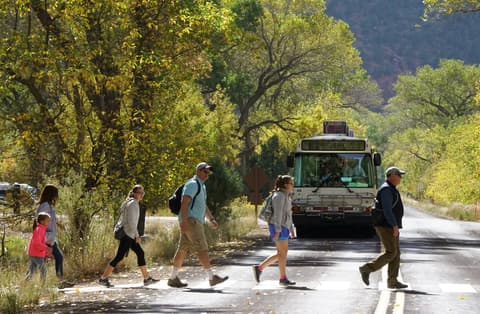
The Zion Canyon Shuttle is free. No tickets, no reservations, no cost beyond your entrance pass. The 2026 season runs March 7 through November 28, plus a holiday window December 26 through January 2. First bus leaves at 7:00 AM. During shuttle season, private vehicles cannot drive the Scenic Drive.
The Springdale Town Shuttle is also free, running 9 stops along Zion Park Boulevard at 10 to 15 minute intervals. It starts at 8:00 AM, one hour after the park shuttle. If you want to catch the 7:00 AM park bus, you need to walk or drive to the Visitor Center yourself.
The SunTran Zion Route connects St. George to Springdale for $5 one-way, running Monday through Saturday with about 12 departures daily. Stops in Washington, Hurricane, La Verkin, and Virgin along the way. No Sunday service. The Virgin Park and Ride opened March 1, 2026, with 32 free parking spaces and a $5 shuttle connection into Springdale.
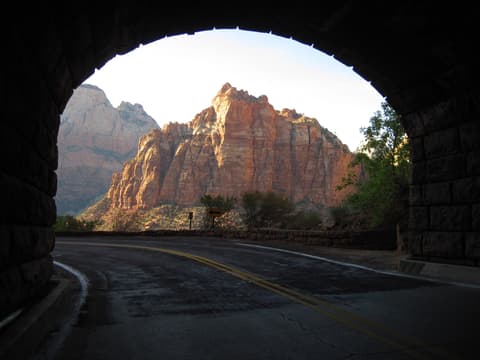
The tunnel fee is ending. Through June 6, oversized vehicles (over 11 feet 4 inches tall or 7 feet 10 inches wide) pay a $15 escort fee for the Zion-Mt. Carmel Tunnel. On June 7, the escort system is permanently eliminated and replaced by an outright ban. Vehicles exceeding 11 feet 4 inches tall, 7 feet 10 inches wide (including mirrors and bike racks), 35 feet 9 inches long, or 50,000 pounds are prohibited from the entire 10.7-mile highway between Canyon Junction and the East Entrance. If you drive a dually truck or tow a trailer, measure your rig before you plan your route.
Camping, Lodging, and the Price of Sleeping Near Zion
Camping inside the park is limited. South Campground is closed indefinitely for rehabilitation. Watchman Campground (176 sites, year-round, reservation-only through Recreation.gov) is the only NPS campground in the canyon. Non-electric sites cost $35 per night. Electric sites with 30-amp hookups cost $45 per night. Group sites range from $50 to $130 depending on size. These prices represent a 75% increase for standard sites since July 2024, when they jumped from $20 to $35. Lava Point Campground on the Kolob Terrace (6 primitive sites, seasonal May through October) costs $25 per night with no water and no cell service. Private campgrounds near Springdale run $45 to $110 per night.
Zion Lodge is the only in-park lodging, with rooms starting around $192 per night in winter and ranging from $299 for Western Cabins to over $429 for suites in peak season. Complimentary breakfast is included. Book through zionlodge.com. Summer dates sell out months ahead.
Springdale hotels average roughly $255 to $300 per night across the year, but the range is wide. Budget options like Pioneer Lodge and Bumbleberry Inn start around $93 to $150 off-peak. Mid-range chains (Hampton Inn, SpringHill Suites, Hyatt Place) run $200 to $350 and often add $10 to $20 per day for parking. Luxury properties like Cliffrose and Flanigan's Resort run $350 to $600 or more. Staying in St. George (about 50 minutes away) drops lodging to $80 to $150 per night, and the SunTran bus can get you to the park for $5 each way.
Food, Gear, and the Costs Nobody Mentions
Eating inside the park means the Red Rock Grill at Zion Lodge. Breakfast buffet is roughly $11 for adults. Lunch runs $12 to $22 for burgers, salads, and sandwiches. Dinner is the premium meal, with entrees like bison rib-eye and Santa Fe flatiron steak in the $18 to $38 range, full liquor service available, and reservations required. Castle Dome Cafe next door offers counter-service burgers, pizza slices, and ice cream for $5 to $15, but it closes December through February.
In Springdale, budget meals at Oscar's Cafe, MeMe's, or Zion Pizza and Noodle Co. average $10 to $20 per person. Mid-range dinners at Bit and Spur or Zion Canyon Brew Pub run $15 to $35. Fine dining at Spotted Dog, Switchback Grille, or King's Landing costs $40 to $65 or more with drinks. Browse our Food and Dining section for restaurant details and seasonal hours.
Sol Foods, Springdale's only grocery store, is convenient and expensive. Reviewers consistently report prices at roughly double standard retail. A box of cereal for $10, a can of soup for $7. The deli counter is more reasonable for sandwiches and prepared food. The universal advice: stock up at Walmart or Albertsons in Hurricane or St. George before arriving.
Narrows gear is the rental cost most visitors forget to budget. The summer footwear package (river shoes, neoprene socks, walking pole) runs about $32 to $33 per person per day. The spring and fall dry bib package (which you need when water temperatures are cold) costs $59 to $65. Full dry suits for cold-water season run $79 to $85. E-bike rentals range from about $53 for a 2.5-hour ride to $103 for a full-day double-rider at Zion Guru, plus a mandatory $7 loss-damage waiver. Standard bike rentals from Zion Cycles run $25 to $50 per day. Check our Experiences section for outfitter profiles and current pricing.
Springdale parking follows a three-zone paid system during shuttle season (6 AM to 5 PM daily). Zone A closest to the park costs $25 per day. Zone B in mid-town costs $20. Zone C on Lion Boulevard costs $15. Violations carry a $125 fine. Parking is free inside the park at the Visitor Center and Human History Museum lots, but those fill by 7 to 9 AM on busy days. After 5 PM, all street parking in Springdale is free.
Gas is cheapest in Hurricane ($3.38 to $3.39 per gallon as of March 2026) and most expensive in Springdale ($3.80 to $4.20 at the single Shell station). There are no gas stations inside the park. Fill up in Hurricane on the way in.
One more line item people overlook: Utah sales tax of 8.05% applies to every Springdale purchase, and it is rarely included in advertised tour or rental prices. Tipping is expected for all guided activities at 15 to 20%, which adds $10 to $50 per person depending on the tour. Some outfitters also build mandatory guide fees into their pricing. Ask when you book.
What a Week at Zion Actually Adds Up To
The gap between a budget trip and a full-experience trip has widened. A U.S. resident couple camping at Watchman, packing their own food, and sticking to free hikes can spend under $400 for five nights (entrance fee, camping, gas, groceries from Hurricane). Add Angels Landing permits, Narrows gear rental, a couple of Springdale dinners, and parking, and that same couple is closer to $700 to $900. An international couple facing the non-resident surcharge adds $200 or more to any of those numbers before a single meal or activity.
The biggest changes to watch in 2026: the non-resident surcharge and its impact on gate wait times, the June 7 tunnel ban for oversized vehicles, South Campground's indefinite closure, and the new SunTran bus that offers the first real budget transit option from St. George. Browse our Trip Planning section for help putting the pieces together, and confirm current fees on the official NPS Zion fees page at nps.gov/zion before your trip. Prices do change, and they always seem to go in one direction.
Zion Entrance Fee FAQ
How much is the Zion National Park entrance fee in 2026?
A private vehicle pays $35 for 7 consecutive days, a motorcycle $30, and individuals on foot or bike $20 per person. Children 15 and under are free, and the base fee hasn't changed since 2018.
What is the new $100 Zion surcharge?
Starting January 1, 2026, non-U.S. residents age 16 and older pay a $100 per-person surcharge on top of the regular entrance fee. The $250 Non-Resident Annual Pass waives it for the holder plus all passengers in their private vehicle.
Which Zion pass should I buy?
If you'll visit two or more national parks in a year, the $80 America the Beautiful pass pays for itself. If you'll only return to Zion, the $70 Zion Annual Pass works. For a single visit, just pay $35 at the gate.
Do I need a permit for Angels Landing?
Yes. The chain section beyond Scout Lookout requires a permit year-round. It costs $6 per application (covering up to six people) plus $3 per person if you're selected in the lottery.
Are there free entrance days at Zion in 2026?
Yes, there are 10 fee-free days in 2026, but they now apply to U.S. residents only. Non-residents still pay the full entrance fee plus the $100 surcharge on those days.
How do I pay the Zion entrance fee?
All passes are digital through Recreation.gov and store in Apple Wallet or Google Wallet. Buy before you arrive — cell service disappears almost completely past the Visitor Center.
Plan your budget: try our free Zion cost calculator — compare passes and see the 2026 $100 non-resident surcharge for your exact group.