
Darryll DiPietro
in the last week
This is a truly 1 of a kind park. Camping is a perfect way to experience both the forest and the desert hoodoos
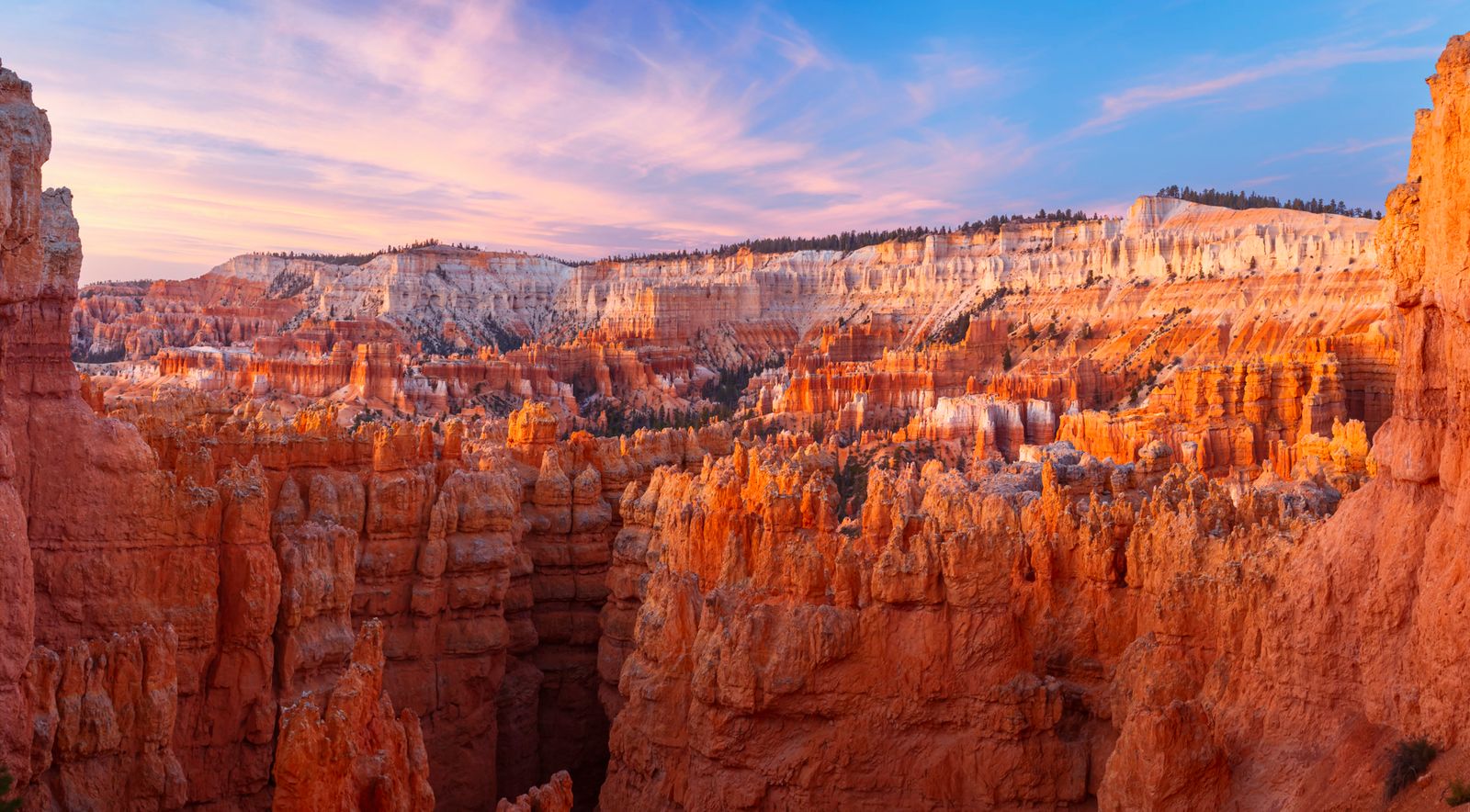
Otherworldly hoodoo landscapes, scenic overlooks, and hiking trails through Utah's most colorful canyon.
Bryce Canyon National Park sits about an hour east of Zion, and it's genuinely worth the drive. Unlike Zion's vertical walls, Bryce is all about hoodoos—those impossibly tall, skinny rock spires that look carved by hand. The park's signature feature is its natural amphitheater, a massive bowl of red, orange, and pink stone that shifts color throughout the day.
Sunrise is when most people come, and for good reason. The light hits those hoodoos at just the right angle and the whole landscape glows.
The scenic drive alone takes about an hour if you hit the major overlooks. You can stop at Rainbow Point, Sunrise Point, Sunset Point, and a dozen others without leaving your car. Each one gives you a different angle on the same jaw-dropping geology. Bring water and snacks, though. There's a lodge and a few services near the entrance, but options are limited inside the park.
The hiking is where Bryce gets interesting. Trails range from easy rim walks to serious descents into the hoodoo forest itself. The trails are well-maintained and clearly marked, so you won't get lost if you pay attention.
Popular trails include:
Navajo Loop: a moderate 1.3-mile trail that drops you down among the spires
Queen's Garden: gentler and family-friendly
Rim Trail: connects several viewpoints and works for runners or anyone wanting to move
Winter and early spring are your best bets for avoiding crowds. January and February are quiet, cold, and often offer clear skies. Summer gets busy and the high elevation (9,000+ feet) means afternoon thunderstorms are common.
Fees and access: The park is free to enter if you have an America the Beautiful Pass; otherwise it's $35 per vehicle. Parking is free throughout the park. Dogs are allowed on leashed trails and paved areas, making it a solid option if you're traveling with pets.
Bryce Canyon's defining features are its hoodoos — the tall, narrow spire formations that fill the park's natural amphitheater in dense clusters of red, orange, and pink. The color comes from iron and manganese minerals in the rock, and the shapes result from freeze-thaw erosion working on the soft limestone over millions of years. The main amphitheater is visible from several named overlooks along the scenic drive, including Sunrise Point, Sunset Point, Inspiration Point, and Bryce Point, each delivering a different angle on the same dense landscape. The scenic drive extends south to Rainbow Point at the highest elevation, where views open across a broader plateau and the hoodoo character of the lower amphitheater gives way to larger forested terrain. Wildlife is active in the park; the ponderosa forest above the rim hosts diverse birdlife and other animals.
Most visitors spend between half a day and a full day at Bryce. The scenic drive alone, stopping at the major overlooks, takes roughly an hour without hiking. Adding a descent into the hoodoos — via the Navajo Loop, Queen's Garden, or a combination of the two — typically adds two to three hours for a moderate outing. The rim trail connects several overlooks and works for those who want views without the elevation change of descending below the rim. The park's high elevation (over 9,000 feet at the upper portions) means conditions differ significantly from lower desert parks nearby; temperatures are cooler year-round, and afternoon thunderstorms are common in summer. Check current road and trail conditions at nps.gov/brca before your visit.
32,950 reviews
in the last week
This is a truly 1 of a kind park. Camping is a perfect way to experience both the forest and the desert hoodoos

in the last week
Bryce is awesome and if you are lucky, Wall Street will be open. Try a restaurant in Tropic nearby.

in the last week
Magnificent site. A descent into the canyon is an absolute must.

in the last week

in the last week
Amazing natural wonder. A must visit national park. True gem in Utah. All mighty five national parks in Utah are really beautiful and worth visiting. Loved our three days in Bryce, and we got to see Bryce in snow as well as in sunny weather during that time. Really surprising nature!